schraibman

Site em construção

Esta página ainda está sendo finalizada. Se você recebeu uma senha de acesso, digite abaixo.

Para marcar consulta, fale pelo WhatsApp (11) 98876-1834.

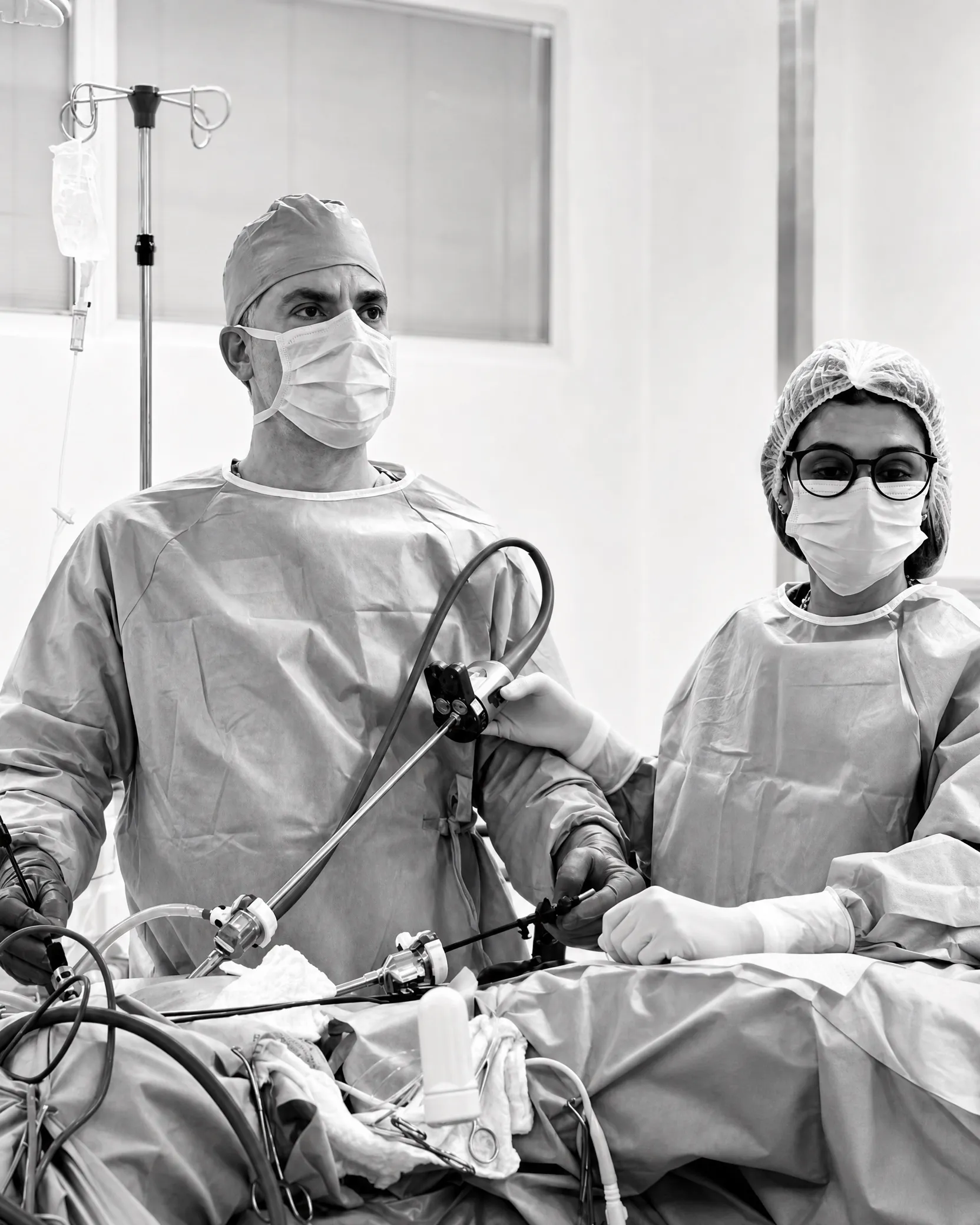
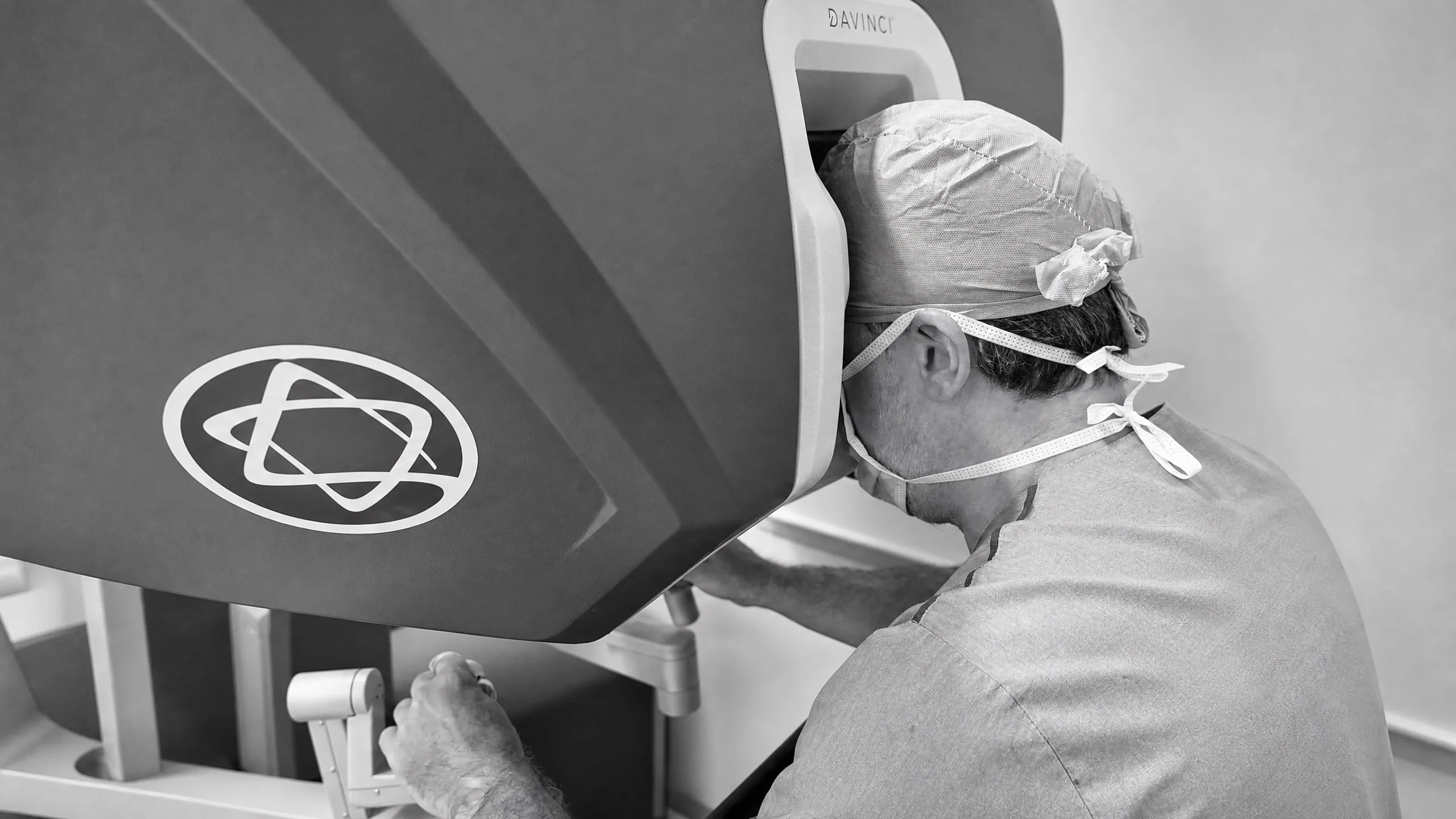
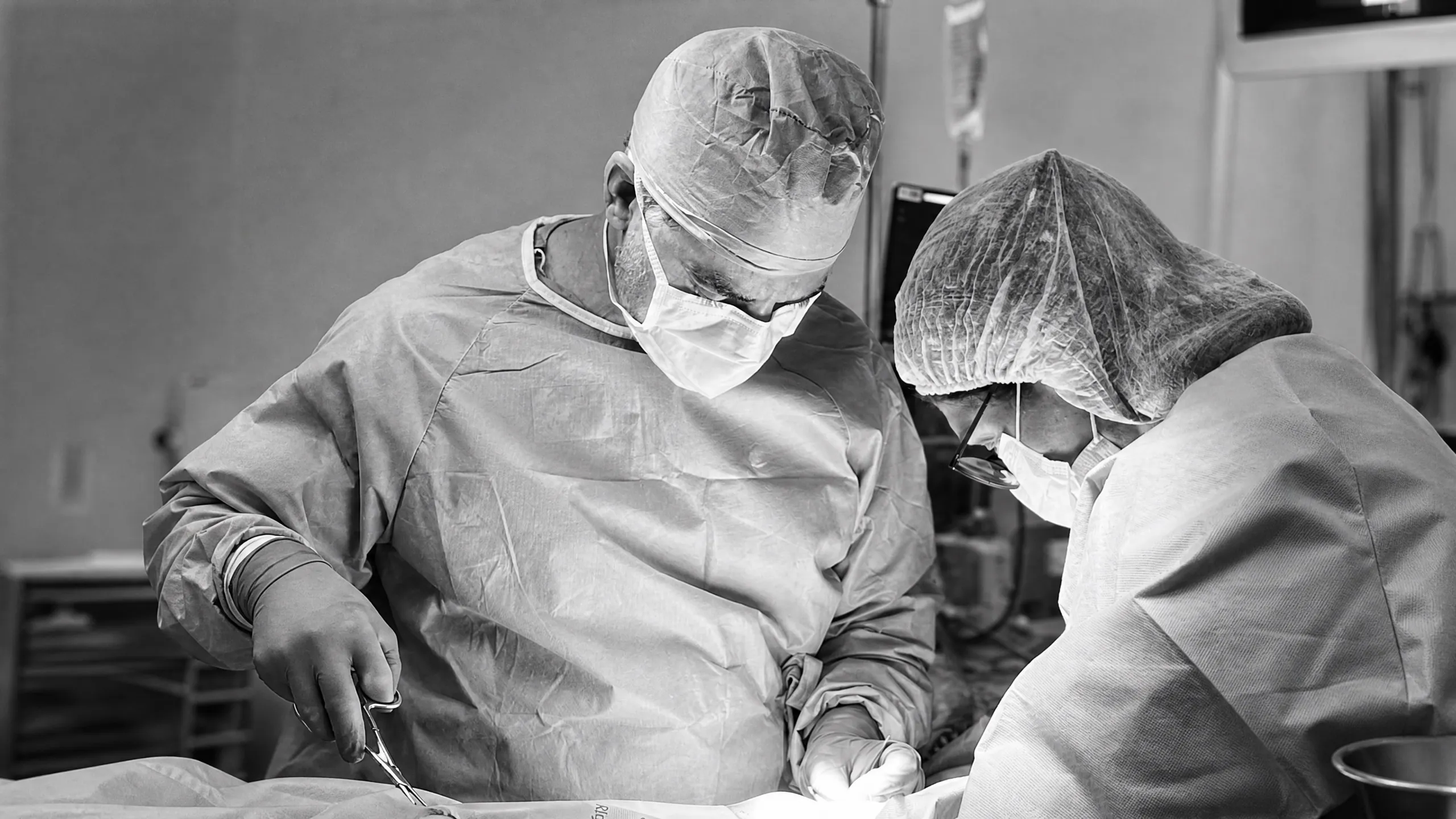
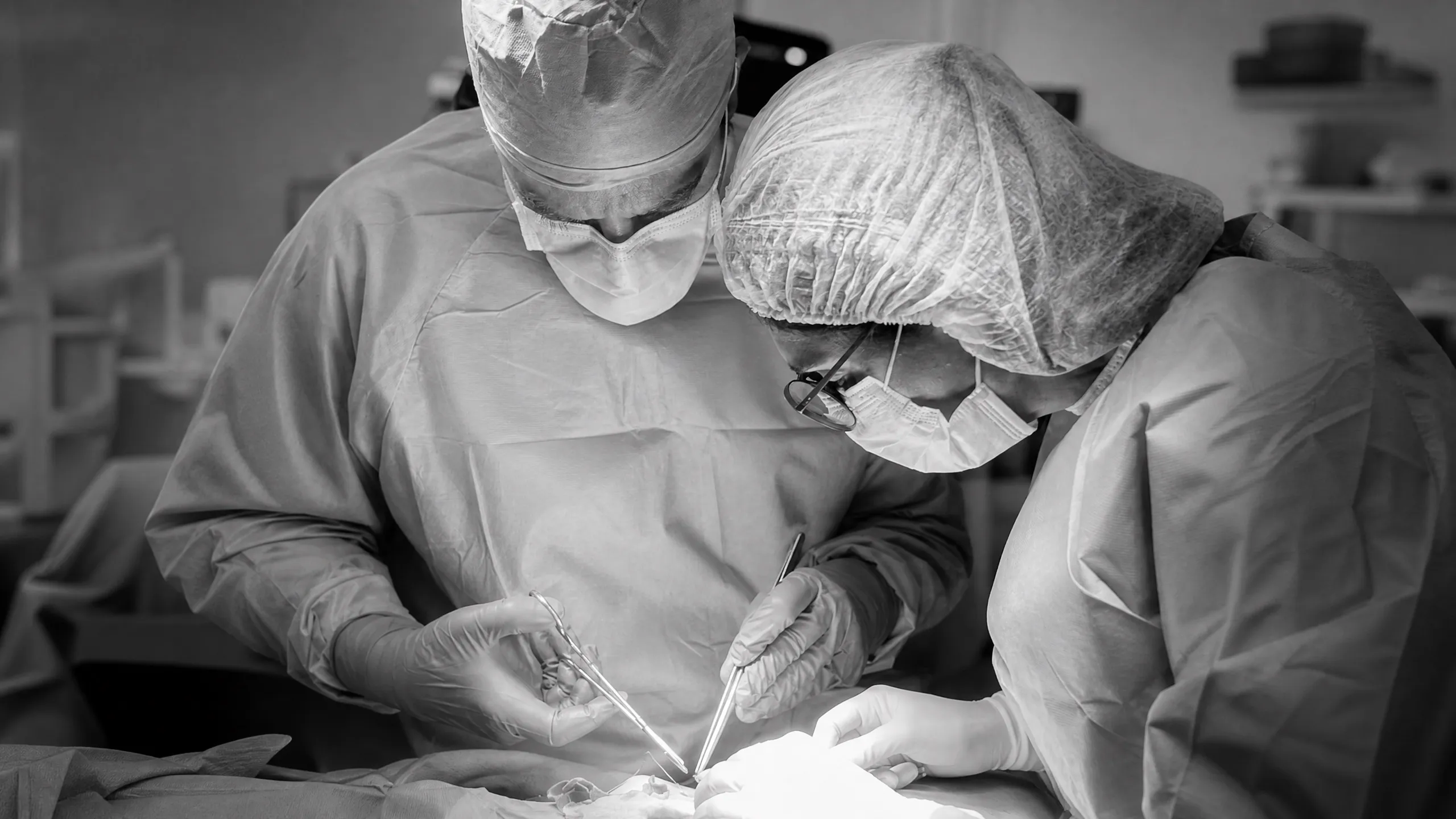
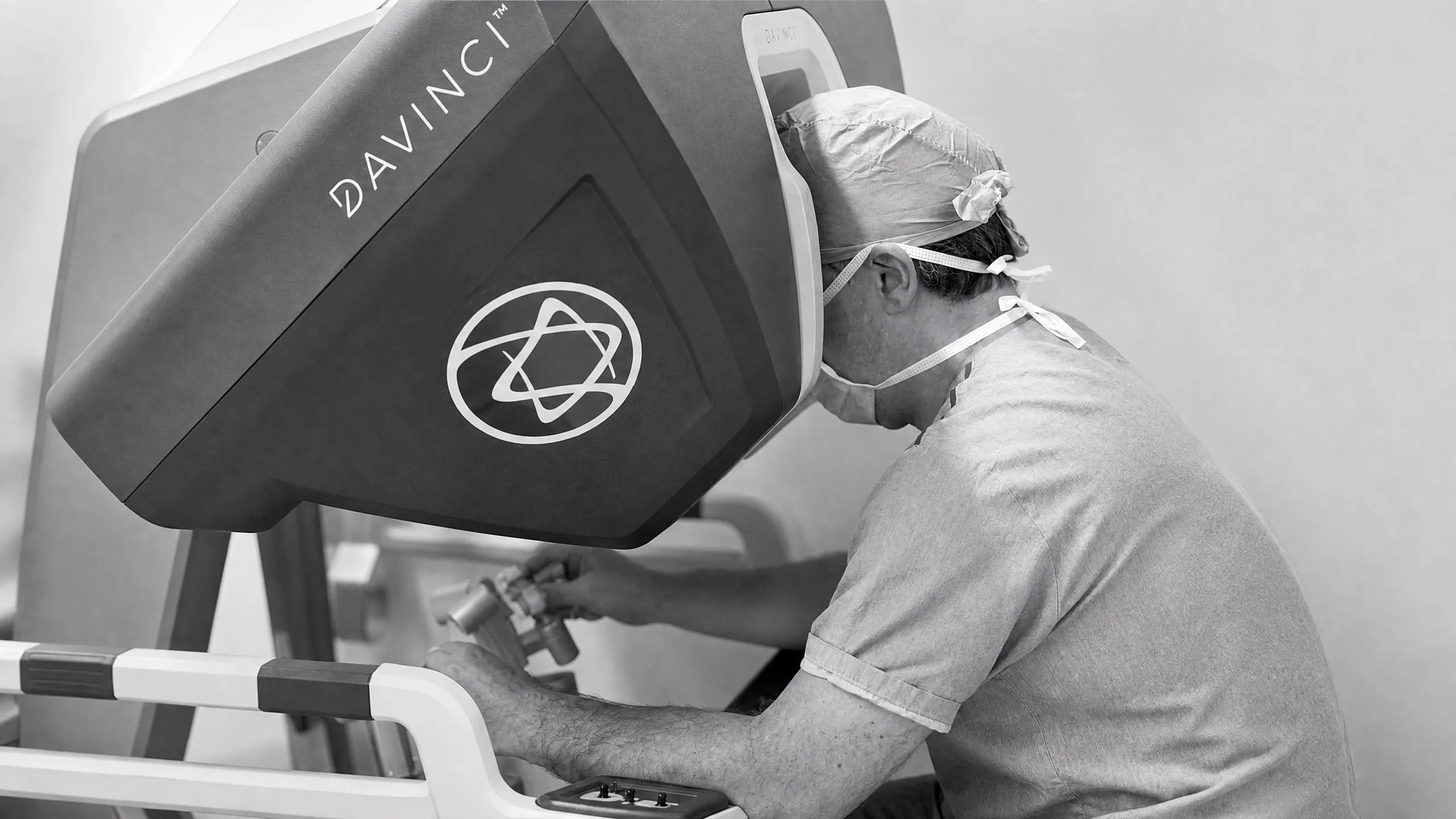
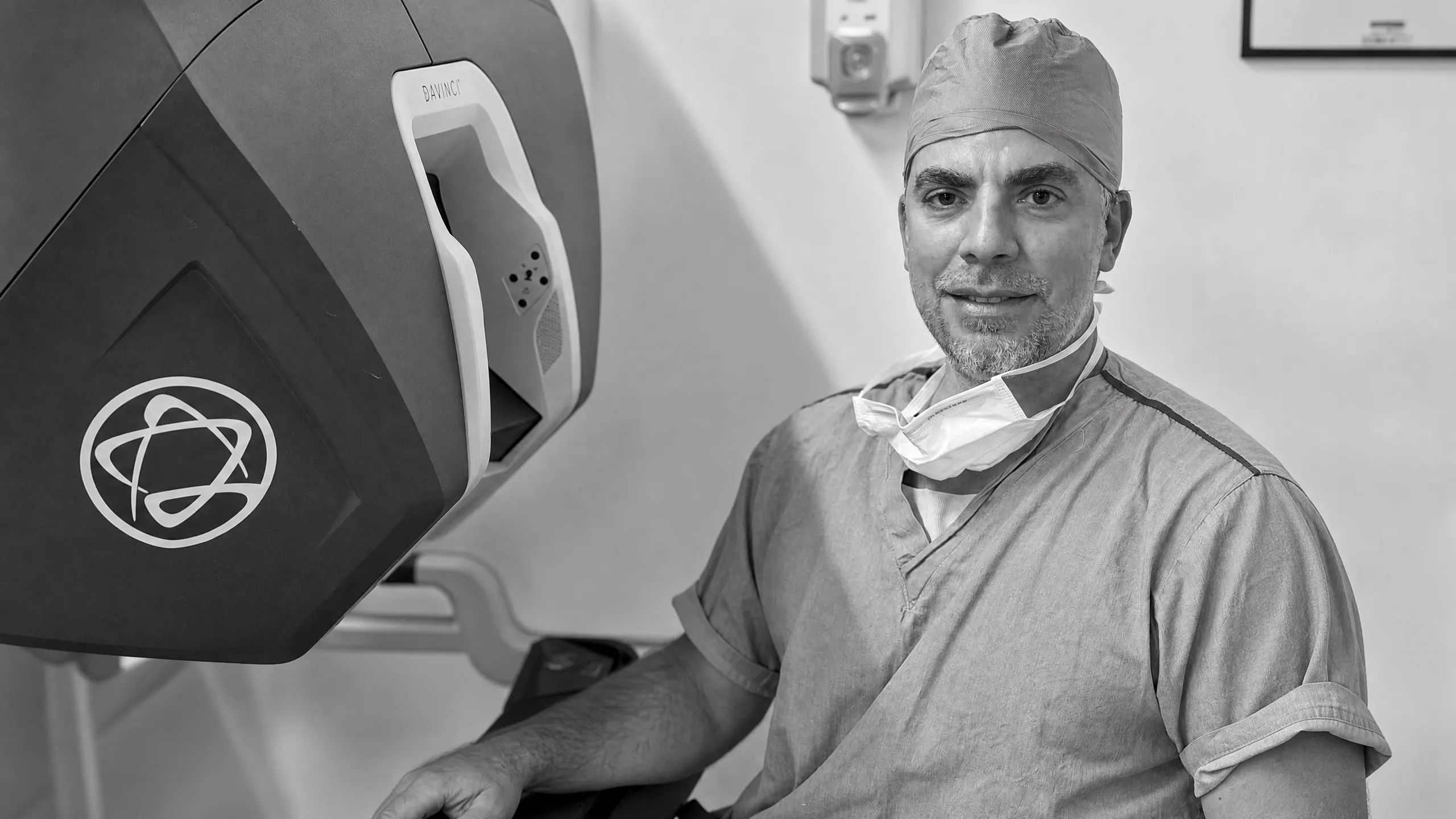
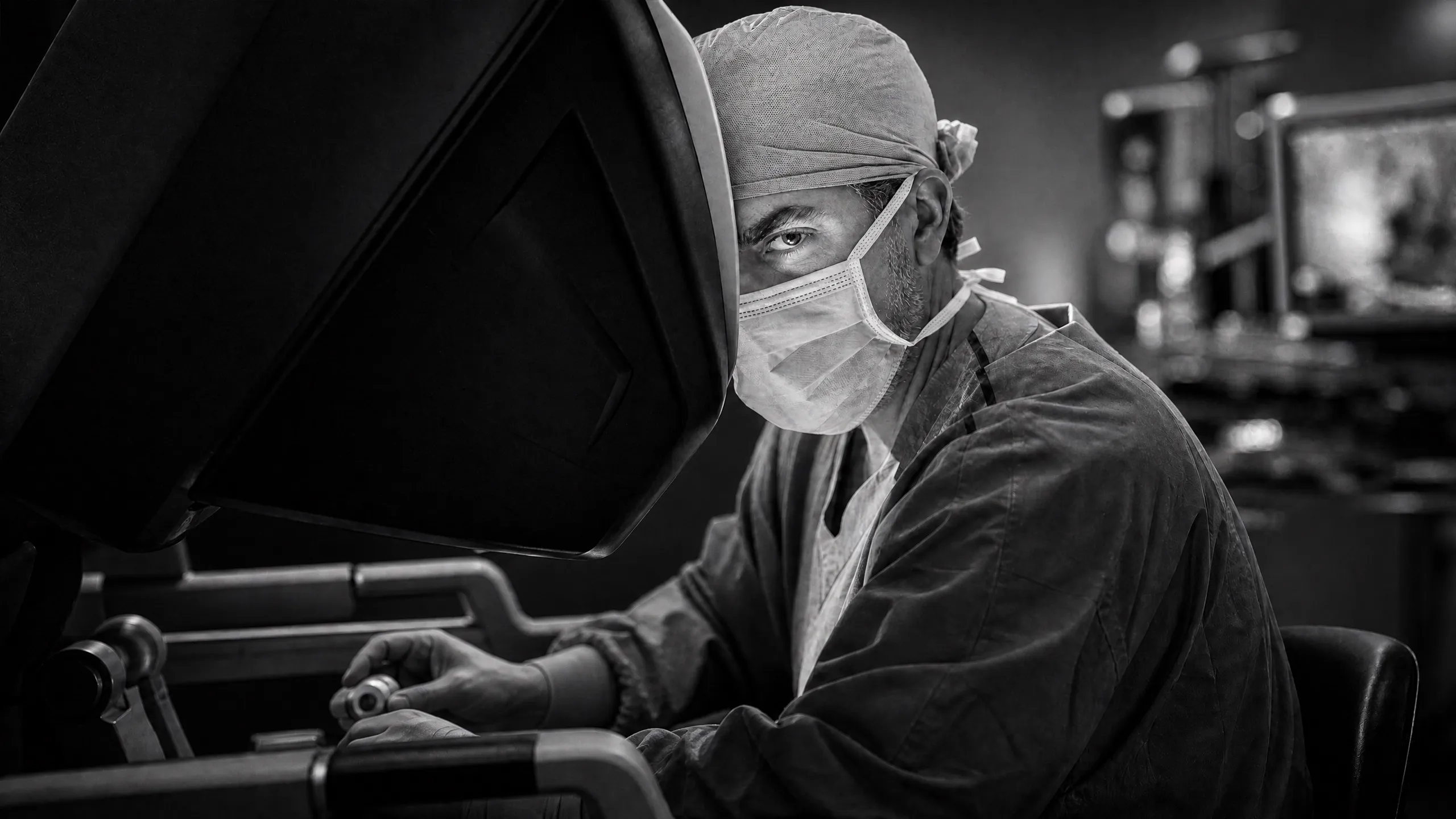
Vladimir Schraibman em centro cirúrgico

Robotic digestive surgery — Training new surgeons at Hospital Israelita Albert Einstein — Trained at Harvard and Memorial Sloan Kettering — Co-author of the Atlas of Minimally Invasive and Robotic Surgery

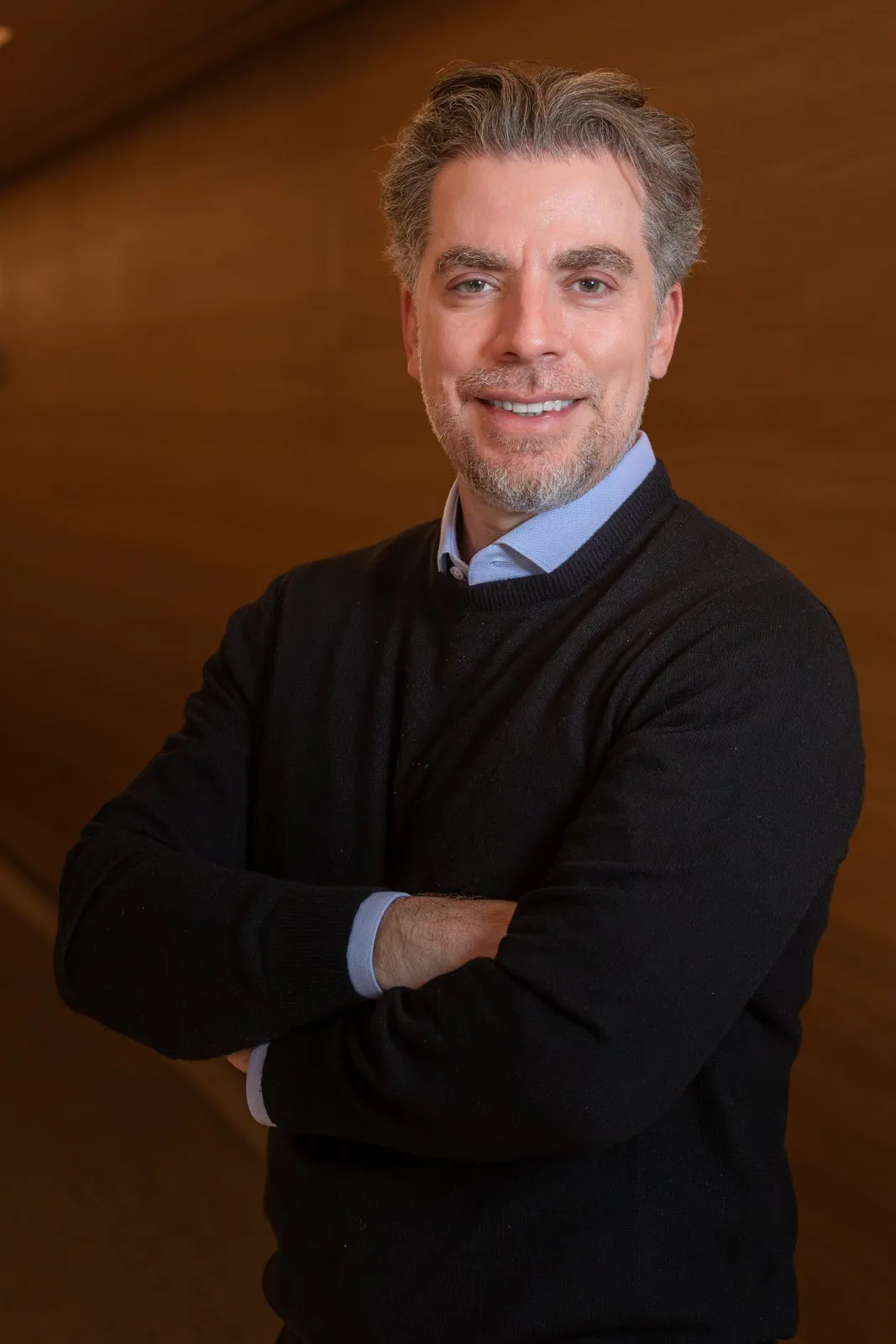
Digestive system surgeon, proctor in robotic surgery

Master’s and doctorate from Unifesp. Office at the Cidade Jardim Health Center, with surgeries at Hospital Israelita Albert Einstein and other hospitals in São Paulo.


Where he operates

Training

+15 mil1surgeries performed
~301years of practice in digestive surgery
+101years training robotic surgeons at Einstein
1hospital worldwide in gastroenterology, Einstein

Training and practice

A career built inside Hospital Israelita Albert Einstein

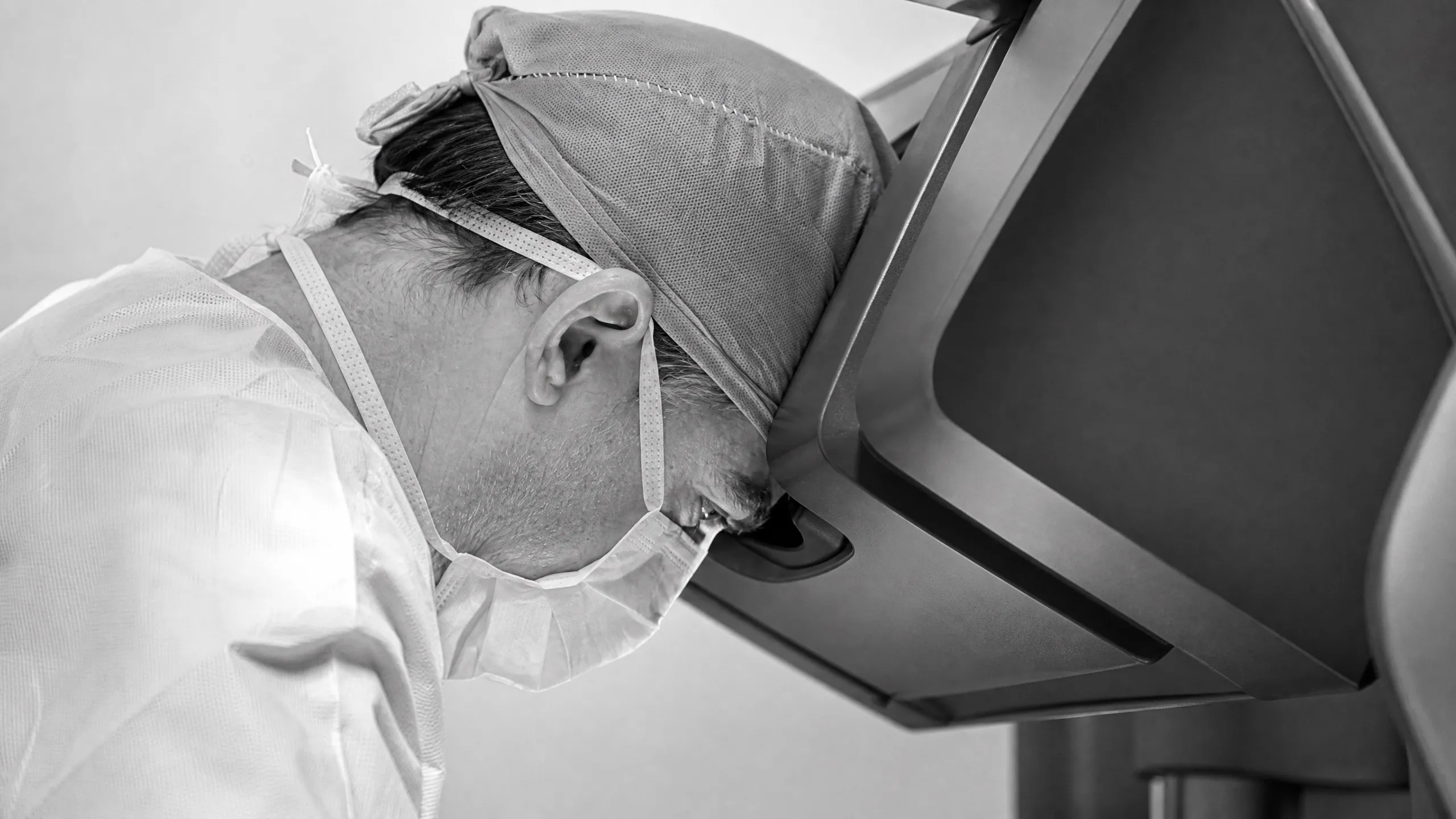
Vladimir Schraibman serves as a proctor in robotic digestive surgery at Hospital Israelita Albert Einstein: for more than ten years, he has been the surgeon responsible for guiding and training other surgeons in the robotic technique inside the hospital. Today he also hosts students and residents from abroad, who train by following his team’s surgeries.

A graduate of the Escola Paulista de Medicina, with a master’s degree, doctorate and post-doctorate from Unifesp, his background includes training periods at Harvard and at Memorial Sloan Kettering Cancer Center, along with the Walter Leser and Capes awards.

He is among the surgeons who introduced robotic digestive surgery in Brazil, supported by Hospital Israelita Albert Einstein since the earliest procedures, about twenty years ago.

Hospital Israelita Albert Einstein ranks 8th worldwide in gastroenterology in the Newsweek World’s Best Specialized Hospitals 2026 ranking, the only Latin American hospital in the specialty’s top ten.1

Career

Nearly three decades in digestive surgery

  1. Escola Paulista de Medicina

    Graduated in 1999, operating since his third year of medical school. Master’s, doctorate and post-doctorate from Unifesp.

  2. International training

    Training periods at Harvard and at Memorial Sloan Kettering Cancer Center, in New York.

  3. Robotic surgery pioneer

    Among the surgeons who introduced robotic digestive surgery in Brazil, supported by Hospital Israelita Albert Einstein from the start, about twenty years ago.

  4. Atlas of minimally invasive and robotic surgery

    Co-author, with Antonio Luiz de Vasconcellos Macedo, of the Atlas de Cirurgia Minimamente Invasiva e Robótica: Cirurgia Gastrointestinal (Artmed, 2017), and of some of Brazil’s earliest internationally published papers in the field.

  5. Training new surgeons

    For more than ten years, responsible for guiding and training new surgeons inside Hospital Israelita Albert Einstein, work that underpins the proctor title. Hosts international students and residents.

  6. Current practice

    More than fifteen thousand surgeries performed in nearly thirty years of practice, with an office at the Cidade Jardim Health Center and surgeries at Hospital Israelita Albert Einstein.

Full curriculum

A list of scientific publications is available in the full curriculum.

Recognition

Awards and recognition

Awards

  • Walter Leser AwardUnifesp, best article published by a medical student, 2000 and 2002
  • 2nd place, Fetal Imaging CategoryBrazilian Congress of Radiology, 2001
  • CAPES Awardbest, 2nd best and 4th best work of the Surgical Gastroenterology Division at Unifesp, 2003
  • 1st place, robotic pancreatectomy1st International Congress on Minimally Invasive and Robotic Surgery, 2012

Conference awards

  • Pereira Barreto Award finalistUnifesp, 1999, with two papers
  • Best Free Video and honorable mentionXXV Brazilian Congress of Surgery, 2003
  • TOP 50 PresentersESGAR, Crete, Greece, 2006
  • Poster of DistinctionSAGES, Las Vegas, USA, 2007
  • 2nd best paper, robotic surgery5th Worldwide Congress on Clinical Robotics, Washington DC, 2013
  • Best written abstract42nd AAGL Global Congress, Washington DC, 2013

Recognition

  • Letter of recognitionJapan Airlines, for assisting a passenger in-flight, 1997
  • Biography in Who’s Who in The World2002 to 2005 editions
  • Consulting editorThe Contemporary Who’s Who, USA
  • Merit letters, international observershipsHarvard Medical School, 2003, and Memorial Sloan Kettering Cancer Center, 2004

A way of caring

The time a complex case requires

Private practice was born from the pursuit of the structure to operate higher-complexity surgery at the highest level, with the time and care this kind of procedure demands.

That way of working defines the practice to this day. Every consultation has time to hear the full story, examine carefully and explain the possible paths, with decisions built together by doctor and patient.

The same surgeon leads the case from the first conversation to post-operative care, and many patients arrive referred by other physicians who have followed this work closely for decades.

Consultations in Portuguese, English and Spanish.

Team

A full surgical team in every procedure

Each surgery is supported by a dedicated team: surgeons, rotating anesthesiologists, assistants recognized in other services as well, and surgical instrumentators.

95% of surgeries take place at Hospital Israelita Albert Einstein; when needed, the team also operates at Vila Nova Star, São Luiz and Sírio-Libanês.1

5Surgeons
5Anesthesiologists
4Assistants
2Instrumentators

Specialties

Digestive surgery, from robotic to conventional

Each case is evaluated for the most appropriate surgical approach: robotic, laparoscopic or open. The technique serves the patient, and the indication is discussed in consultation.

Bariatric and metabolic surgery

Surgical treatment of obesity and associated metabolic conditions.

Colorectal surgery

Surgical treatment of colon and rectal conditions.

Esophageal and gastric surgery

Surgical treatment of esophageal and gastric conditions, including oncologic cases.

Hepatobiliary and pancreatic surgery

Surgical treatment of the liver, bile ducts and pancreas.

Complex hernia repair

Surgical repair of abdominal wall hernias.

Gallbladder and bile ducts

Surgical treatment of gallstones and gallbladder disease.

Testimonials

What patients say

“I found out I had a liver nodule that needed to come out, and the surgery wasn’t small. It was the kind that makes you understand what really matters. Dr. Vladimir Schraibman guided every decision with a steadiness I could feel even in the tensest moments, and today I know: without that work, this story could have ended differently.”

Guido Sarti

“I arrived at the Einstein ER with a strong abdominal pain, and by the next day I was already in surgery to clear a bowel obstruction. Dr. Vladimir Schraibman was close and attentive at every step, always calm and straightforward with me. Recovery was fast, with scars that are barely noticeable thanks to his mastery of the robotic technique.”

Frequently asked questions

Questions from people starting this conversation

What is the difference between robotic and laparoscopic surgery?

In both, the operation happens through small incisions, with a camera and fine instruments. In robotic surgery, the surgeon commands the instruments from a console, with magnified 3D vision and movements more precise than the hand’s, which helps in higher-complexity procedures. The choice of approach depends on each case and is discussed in consultation.

Does health insurance cover robotic surgery?

It depends on the plan and the procedure. The practice accepts Amil (One Health and Amil Individual lines), Omint Premium and Care Plus; patients from other plans can be seen through reimbursement. Coverage of the procedure itself is confirmed with the insurer and the hospital before surgery.

What is recovery from robotic surgery like?

Because it uses small incisions, minimally invasive surgery usually involves less post-operative pain, shorter hospital stays and a faster return to activities than the equivalent open surgery. The exact time varies with the procedure and each patient, and is guided individually.

Is this the surgeon people in Brazil call "Vladimir do Einstein"?

Yes. The full name is Vladimir Schraibman — CRM/SP 97304, RQE 43142. Many patients look for him as "Dr. Vladimir do Einstein" because 95% of his surgeries take place at Hospital Israelita Albert Einstein, where he has been a robotic digestive surgery proctor for more than ten years.

Where do the surgeries take place?

95% of surgeries take place at Hospital Israelita Albert Einstein. When needed, the team also operates at Vila Nova Star, São Luiz and Sírio-Libanês.

What should I bring to the first consultation?

Previous exams (imaging and lab), a list of current medications, reports from other physicians, and the history of the problem. The consultation has time reserved to hear the full story and explain the possible paths.

Where is the practice located?

At the Cidade Jardim Health Center, in the Shopping Cidade Jardim complex (Avenida Magalhães de Castro, 12.000, 5th floor, suite 17, São Paulo). On Friday mornings there is also care at Avenida Angélica, 2417, 17th floor.

Which languages does the doctor speak?

Portuguese, English and Spanish.